Inside Vercel 2025: How the Edge Became the New Runtime
Vercel has always been the quiet puppeteer of the modern JavaScript ecosystem — moving fast, shipping aggressively, shaping React’s direction, and redefining what “deploy” means. But 2025 hit differently. This was the year Vercel stopped behaving like a hosting company and started moving like a runtime lab, pushing innovations that ripple across frameworks, bundlers, and servers.
2025 wasn’t just about features.
It was about philosophy shifting underneath the web, and Vercel happened to be holding the steering wheel.
The Turning Point: React Server Components Go Fully Real
React Server Components (RSC) exiting experimental mode in React 19 created a domino effect. Every framework scrambled to stabilize their compilers, align with the evolving server-function model, and support new module resolution behaviors.
Vercel didn’t just adapt — they used this moment to reshape the web pipeline.
The major 2025 RSC breakthroughs powered by Vercel:
- Zero-waterfall rendering became standard
- Browser bundle sizes dropped as much as 40%
- Server Functions replaced traditional backend endpoints
- Edge-first routing became faster than Node-based APIs
- Vercel Turbo updates aligned tightly with React’s new architecture
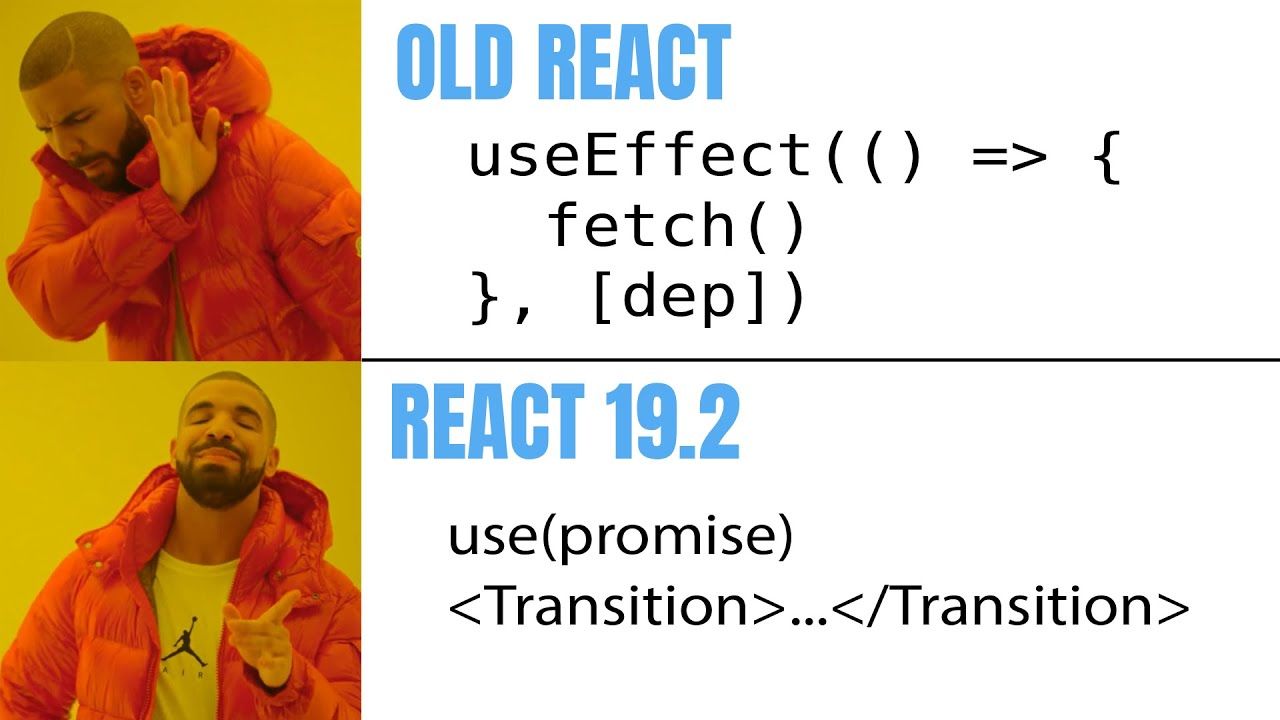
If React 18 introduced concurrency, React 19 introduced intent — and Vercel’s infrastructure was the first to fully embrace it.
Vercel’s 2025 Secret Weapon: The Edge Runtime 3.0
The 2025 Edge Runtime update didn’t get flashy marketing, but its impact was enormous.
It quietly introduced:
- Micro-cache layers that auto-optimized based on request patterns
- A new spec-compliant Web API layer with near-zero polyfills
- Sub-millisecond cold starts on most POPs
- Built-in RSC asset hydration without bundler hacks
- A navigation engine that precomputes data for React’s
usemodel
This meant developers no longer had to fight with SSR latency or patch around bundler inconsistencies.
The runtime started feeling like React’s natural habitat, not an afterthought.
Security Incidents That Turned Into Engineering Wins
2025 brought the largest wave of RSC-related CVEs the ecosystem had ever seen.
Vercel faced:
- Source code leakage vectors
- Denial of Service via server function deserialization
- Mutant combinations of old and newly discovered vulnerabilities
- Incomplete earlier patches from major maintainers
But instead of treating the incidents as damage control, Vercel used them to accelerate core runtime hardening.
The impact of these CVEs:
- Hosting providers deployed temporary global mitigations within hours
- Vercel’s platform-level protections analyzed traffic patterns to stop exploit attempts
- The React security response team coordinated parallel patch cycles
- The bundler/plugin ecosystem (Parcel, Vite, Turbopack) aligned on new safeguards
The result?
The entire industry adopted better sandboxing, safer serialization, and faster disclosure pipelines.
2025 became a turning point for secure server-side React.
The Developer Experience Renaissance
Vercel’s engineering culture has always pushed “developer happiness,” but 2025 refined it.
What changed?
1. Framework Mode for Next.js
Next.js evolved into a framework mode that detached the DX from the bundler. Vercel’s infrastructure started handling:
- Graph-based compiler optimizations
- Out-of-order hydration rules
- RSC streaming validation
- Automatic partial prerendering
Developers stopped caring about the internals.
Vercel handled the shape of the app, not just the build.
2. Turbo 2.0 preview
A completely rewritten graph engine that understood:
- file boundaries
- resource dependencies
- the React RSC dependency graph
- server/function execution flows
This transformed monorepos and international teams.
3. New Vercel Analytics Runtime
Real-time rendering cost metrics showing:
- server function execution time
- hydration waterfalls
- cold-start frequency per region
- RSC streaming delays
- edge cache hit ratios
Developers could finally see where time was leaking.
How Vercel Quietly Rewrote the Hosting Game
2025 is the year Vercel moved from:
"Deploy your app here."
to
"We shape how your app executes."
Hosting became a side effect.
The runtime became the product.
Three big philosophical shifts:
1. The boundary between backend and frontend dissolved
Server Functions became the default backend for modern Next.js apps.
The need for external API servers dropped significantly.
2. Edge-first thinking became the norm
The Edge Runtime automatically:
- rewrote routes
- tuned caches
- optimized fetch patterns
- shaped session logic
Developers didn’t configure edge — the runtime inferred it.
3. JavaScript became the OS of the web
With:
- Web-standard APIs
- Server-side module graph execution
- RSC native support
- React’s new compiler
- Edge runtime’s consistent environment
JavaScript apps ran with the consistency and determinism of native programs.
The Unexpected Winner: The JavaScript Community
For all the engineering spectacle, 2025 revealed something bigger:
When Vercel moves, the ecosystem moves.
- React Router adopted RSC patterns
- Parcel’s RSC architecture aligned with Vercel’s debug tools
- Vite’s RSC plugin depended on similar safeguards
- Third-party frameworks (Waku, Hydrogen) rode the same wave
- Hosting providers matched Vercel’s mitigations
The web felt like it was converging again — after years of fragmentation.
Final Thoughts
Vercel’s 2025 wasn’t defined by one big launch.
It was defined by a series of deep, foundational shifts.
The Edge Runtime hardened.
React Server Components matured.
Security practices evolved.
Frameworks aligned.
Developers gained clarity.
The biggest story of 2025 is this:
The runtime became intelligent.
The framework became declarative.
And the web became faster than it has ever been.
Vercel didn’t just ship features —
they shaped the next era of how the internet runs.
If you want, I can turn this into:
- a shorter SEO blog
- a more technical engineering deep-dive
- a version focused only on the CVEs
- or a storytelling version for your portfolio
Just tell me which direction to create next.